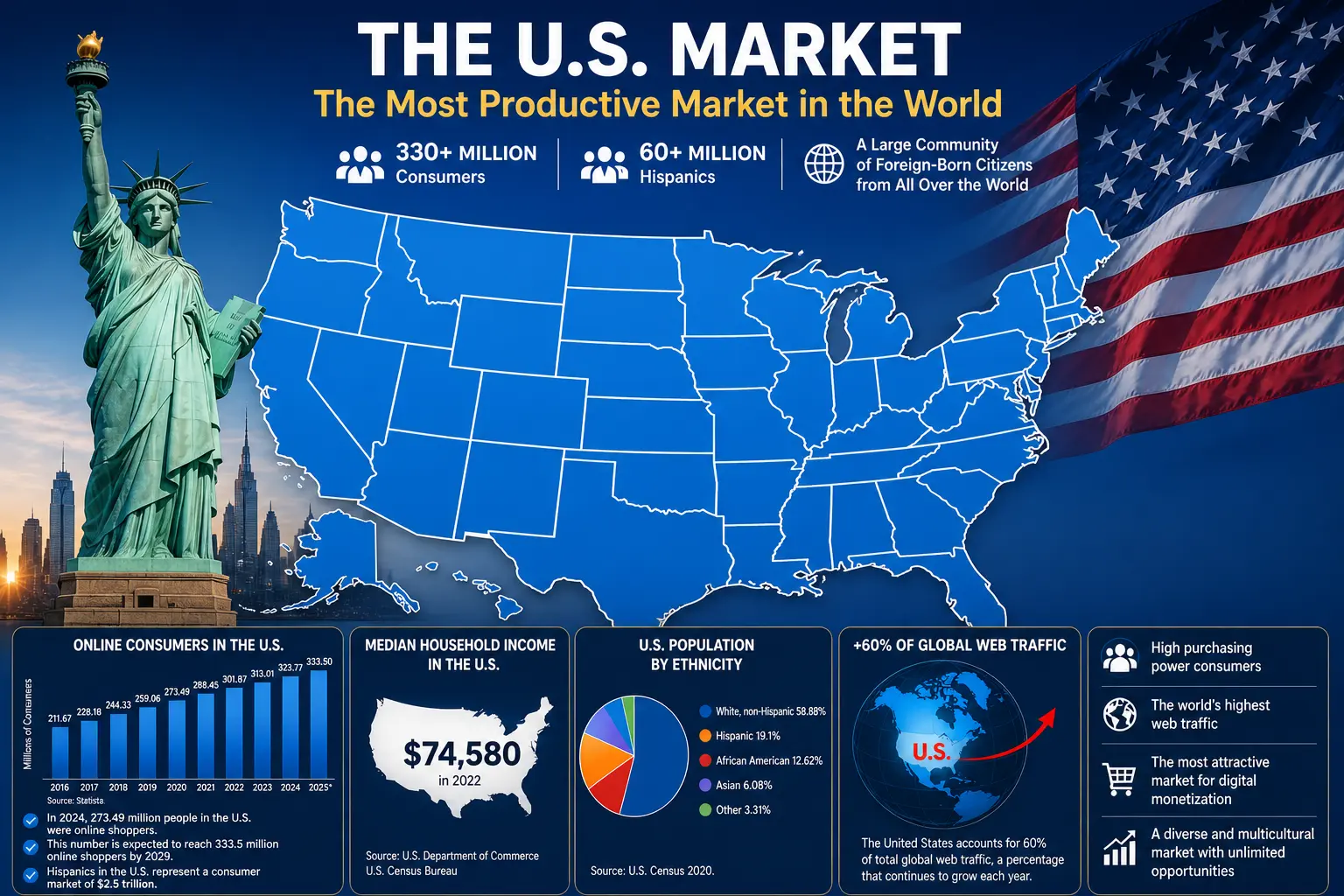
The United States remains one of the most powerful and complex markets in the world. With over 330 million consumers, more than 60 million Hispanics, and a highly diverse international population, it represents both scale and opportunity at an unmatched level.
Annual consumer spending exceeds $17 trillion, making it one of the most economically active environments globally. However, despite these advantages, many businesses struggle — not due to lack of value, but due to lack of visibility and strategic adaptation.
1. The Visibility Gap
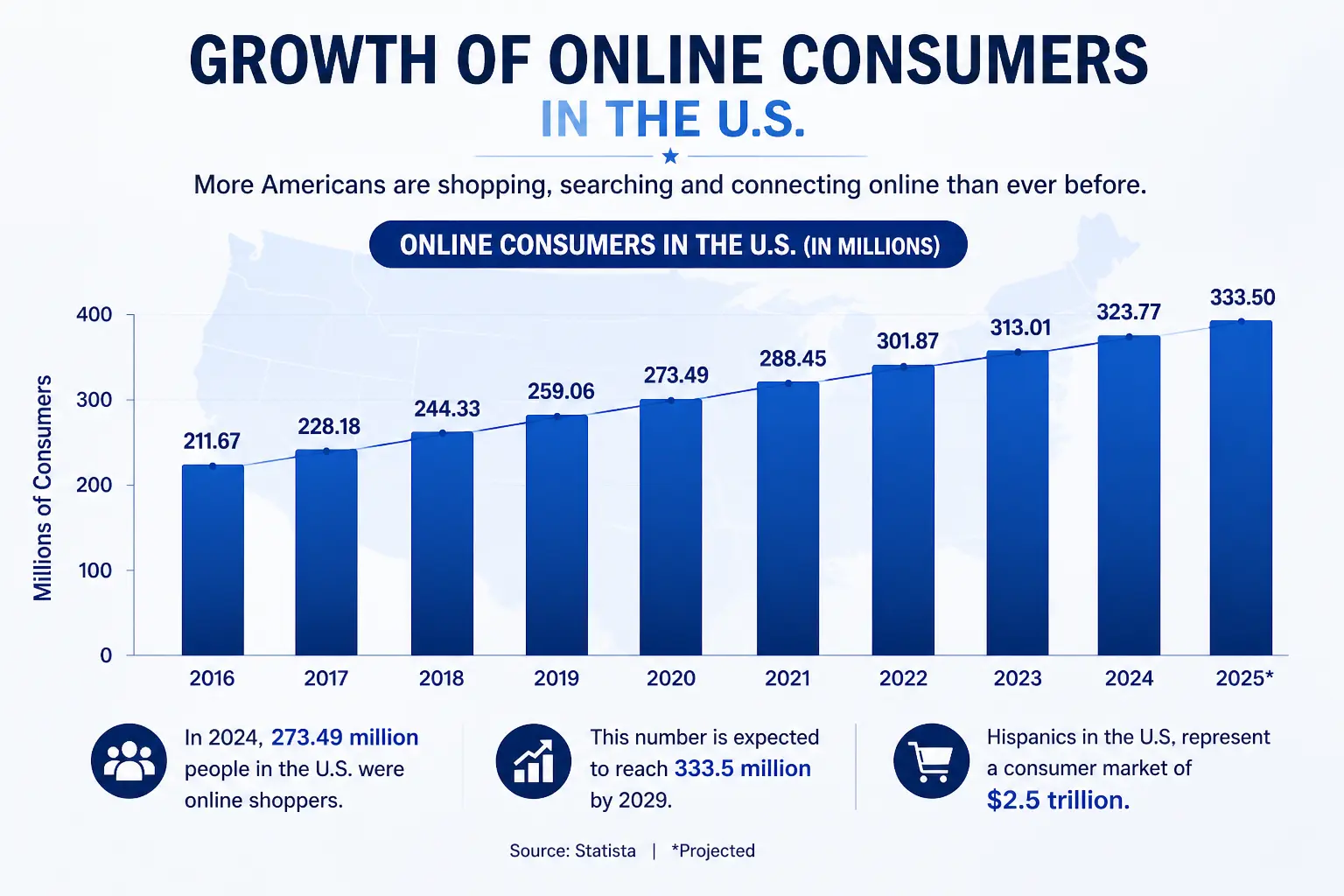
In a market driven by digital interaction, visibility determines success. Millions of users search, browse, and engage online daily. If a business is not present in search engines, social platforms, or AI-generated responses, it becomes effectively invisible.
The modern economy does not reward presence — it rewards discoverability.
2. Overestimating Market Demand
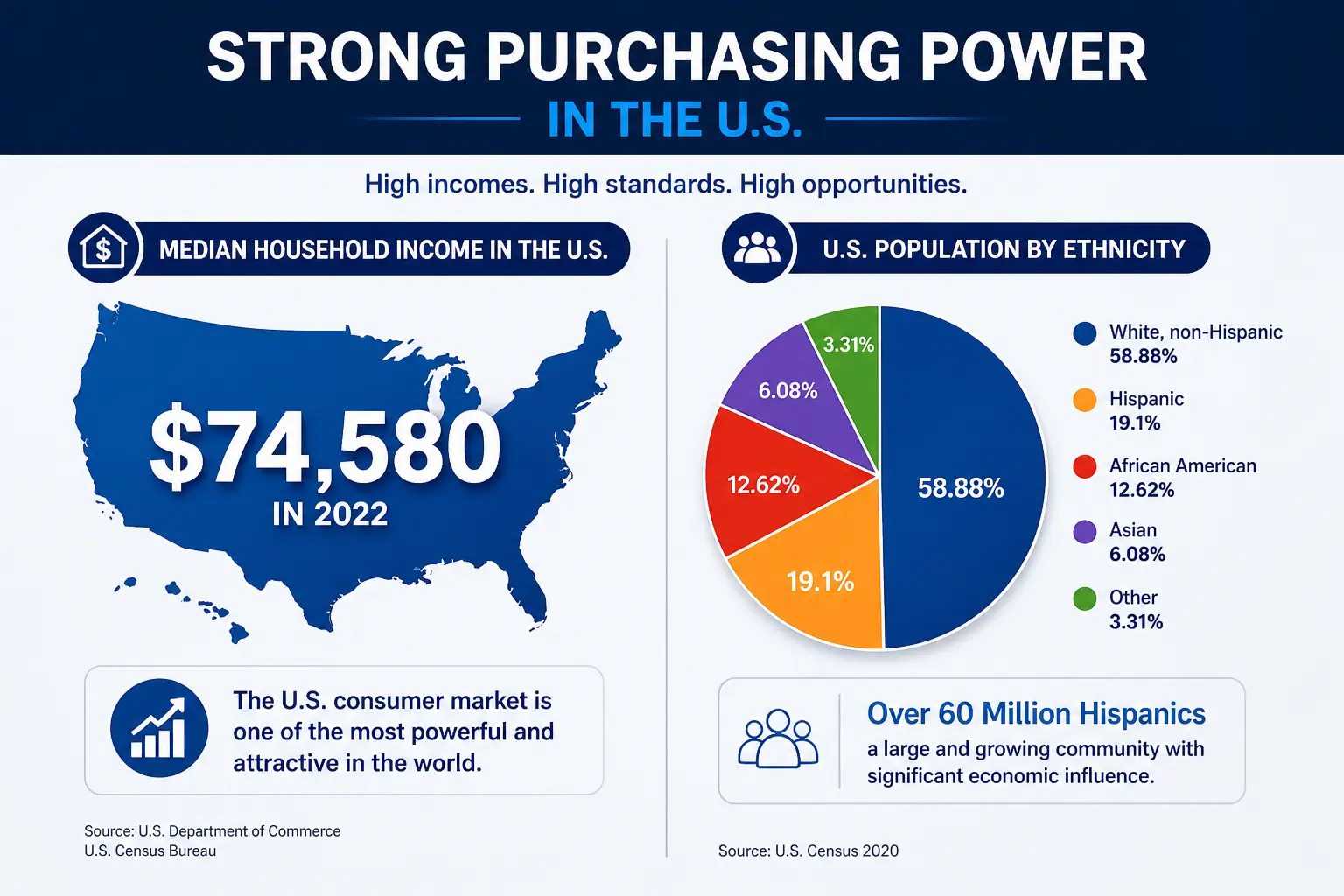
While the U.S. has strong consumer purchasing power, it also has extreme competition. Businesses often assume demand guarantees success, but attention is limited and highly contested.
Consumers are constantly comparing options. Without differentiation and clarity, even high-quality products are ignored.
3. Weak Digital Foundations
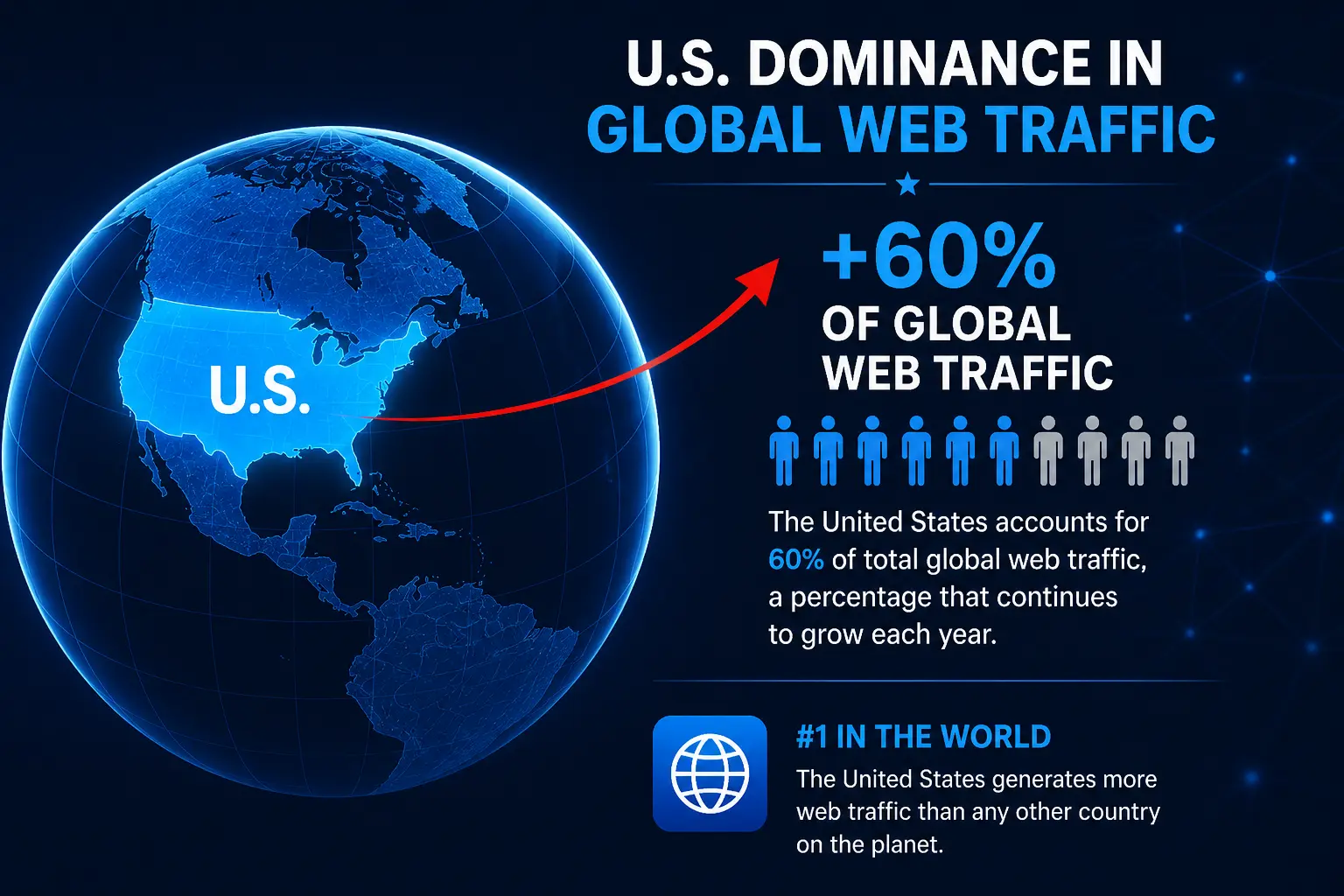
Many businesses fail due to poor digital structure. Websites lacking speed, clarity, and proper organization struggle to retain users and perform in search environments.
In a fast-paced digital market, users expect immediate access and clear messaging. Anything less results in lost opportunities.
4. Outdated Strategies
Digital systems have evolved. Traditional SEO tactics and outdated content strategies no longer produce results. Modern platforms prioritize structured data, performance, and user-focused content.
Businesses that fail to adapt gradually lose visibility without understanding the underlying cause.
5. The Shift Toward AI-Driven Discovery
A major transformation is reshaping how users discover information. AI systems are increasingly used to answer questions, recommend services, and guide decisions.
To remain competitive, businesses must ensure their content is structured, clear, and accessible to both users and AI systems.
Conclusion
The U.S. market offers unmatched opportunity, but it demands precision. Success depends not only on what a business offers, but on how effectively it connects with its audience through visibility, structure, and adaptability.
Businesses that fail today are not necessarily lacking value — they are lacking access to the systems that make them visible.
Understanding and optimizing that connection is now essential for growth.